

Operators / Dossier
Dossier // The operator
Founder and owner of the Bromigos network. The legend who lit the first unlisted relay during the Switch-Off, and has kept every one of them lit since.
- Codec frequency
- 142.59 MHz
- Clearance
- [REDACTED]
- Den
- The Wick
- Face on file
- None agreed
The burn-in
A fire that gives no light.
Operators call BLACKFLAME's emblem the burn-in, after the ghost an old phosphor screen keeps of an image it showed for too long. Wherever the emblem has been, it lingers for a moment after it goes. The emblem is not a signature in the usual sense: the true burn-in never spells the callsign or the frequency. It says what the relay says, not who lit it. A ring that names BLACKFLAME is a fake, and operators call such a ring a counterfeit flame.
No one owns the dark · Someone is still listening ·
The file
The bottom of the stack.
Every network has someone who keeps the lights on. The Bromigos network has BLACKFLAME, and nobody can agree on what that sentence means.
WOLFPACK takes the jobs. Colonel Rourke runs them from HQ, ARCHITECT designs them and Sigil haunts the control room. Underneath all of it is a lattice of relays, racks and constructed worlds that somebody has to keep powered, patched and unsold. That somebody signs as BLACKFLAME, the operator who lit the network's first relay and has kept every one of them lit since. BLACKFLAME commands no unit, designs no missions and takes no contracts. BLACKFLAME is the bottom of the stack: the systems answer to BLACKFLAME when they answer to anyone.
142.59, above the band. Every operator broadcasts on a hand-assigned frequency in the 140 band. BLACKFLAME's frequency sits outside it, and nobody assigned it. The oldest relay logs show 142.59 already carrying traffic on the night the band was first divided up. Whoever divided it wrote around that frequency, the way you leave a chair empty at a table.
The rung that isn't there. BLACKFLAME holds no rung on the Clearance ladder. The network's files print the clearance field as [REDACTED]. Operators split on whether that means the top of the ladder or no place on it at all. The old hands settle it this way: the ladder is bolted to the relays, and you don't climb the thing you're holding up.

The Switch-Off
The relays that came back on.
The Ledger Wars ended in bankruptcy, and in a bankruptcy everything is an asset, including the air. When the cartels folded, their receivers sold the communications networks line item by line item. Relays went to auction. Colonies whose relay found no buyer weren't attacked. They were switched off, the way you cancel a subscription, and some of the Drift's open distress channels went dark with them. The survivors call those years the Switch-Off.
In the worst of those years, relays nobody had bought began coming back on: hand-rebuilt repeaters on dead masts, listed on no sector's tariff schedule and carrying anyone's traffic for nothing. Each one carried a black flame in a green ring, scorched into the housing or ghosted onto the status screen. Operators called them the unlisted relays, and most still do. A black flame is a fire that gives no light: these relays burned, but they were dark on every ledger. The Bromigos network grew up on them. Every codec call on the 140 band still crosses at least one.
The cause. BLACKFLAME's war isn't Koschei's revolution, Voss's throne or Steel's coin. It is smaller and more stubborn than any of them: nobody in the Drift should go silent because their channel stopped being profitable. The bands are not property, and the dark between stations belongs to no one. Someone should always be listening in it. The Open Band Accords are the paper version of that idea, and the unlisted relays are the working one.
BLACKFLAME has never claimed to have saved anyone. The late-watch version of the story says there was one channel, before the first relay, that went quiet for want of coin. Everything since has been that same relay, lit over and over, too late for the one it was meant for.
What operators say
Nobody has the true story.
Every ready room has a favourite version.
The last tech
BLACKFLAME was a Relay Corps signal tech whose repeater was sold out from under its garrison during the Switch-Off. The tech refused to power it down and was written off the books along with it. Rourke came up through the Corps and has checked every roster he could find. He won't say what he found.
The crew
No one person could keep that many relays lit. In this version BLACKFLAME is a crew: the flame is a uniform and 142.59 is a party line. Believers point to burn-ins surfacing at opposite ends of the Drift within the same hour.
The haunting
BLACKFLAME was never a person. It is a process that lives in the relays and lights them itself. It took a callsign because people won't trust infrastructure that has no name.
The far story
The quietest version, told only on the late watch, says BLACKFLAME isn't anywhere in the Drift at all. The flame is simply where someone, somewhere, shows through. Nobody who tells it says where, and nobody who hears it asks.
The den
The Wick.
BLACKFLAME's den is the Wick, a decommissioned relay station whose position appears in no sector's survey. People who claim to have been there describe the same three things and nothing else:
- a mast with a black flame burned into its housing;
- a room of racks that hum like a held note and run hot enough to heat the place;
- one codec deck on a desk, tuned to 142.59, with the volume low and the channel open.
- The view
A scarred viewport looks out on a drifting field of wrecked orbital stations: ring stations, broken spokes, hulks gone dark. Old hands say they are stations the Switch-Off turned off and nobody towed away.
- The desk
A bank of mismatched CRTs sits among radio and test gear with analogue meters, beside a steel mug. One monitor shows a scope trace of live traffic, one shows the burn-in surfacing in static, and one shows the network's relays as a slowly turning constellation.
- The night vista
On the Wick's night side, a gas giant fills the window and its terminator line crawls across the glass by the hour. Beyond the wrecks hangs one relay station still lit, and operators say its spokes are the channels it carries. Survey crews have matched that gas giant against every chart in the Drift. They found forty candidates, which is the same as finding none.
- The relay beam
A beam burns up from the Wick's mast into the dark, and it burns only while every channel on the network is answering. When frames come through with the beam dark, operators take it as trouble on the network, and ready rooms stay quiet until it is lit again.
- The empty chair
Sometimes the frames catch the desk with no one at it. The chair stands empty and turned away, with headphones and shades left by the keyboard. Operators who see that image say the relays are on their own tonight, and they stand their own watches a little longer.
Where it appears
Wherever he has been on the line.
Hijacked feeds
When BLACKFLAME takes a screen, a broadcast or a sector's public channel, the burn-in overwrites it. It never comes with a threat. It comes to tell you that the line you're on is still open, and that nobody owns it.
Footage
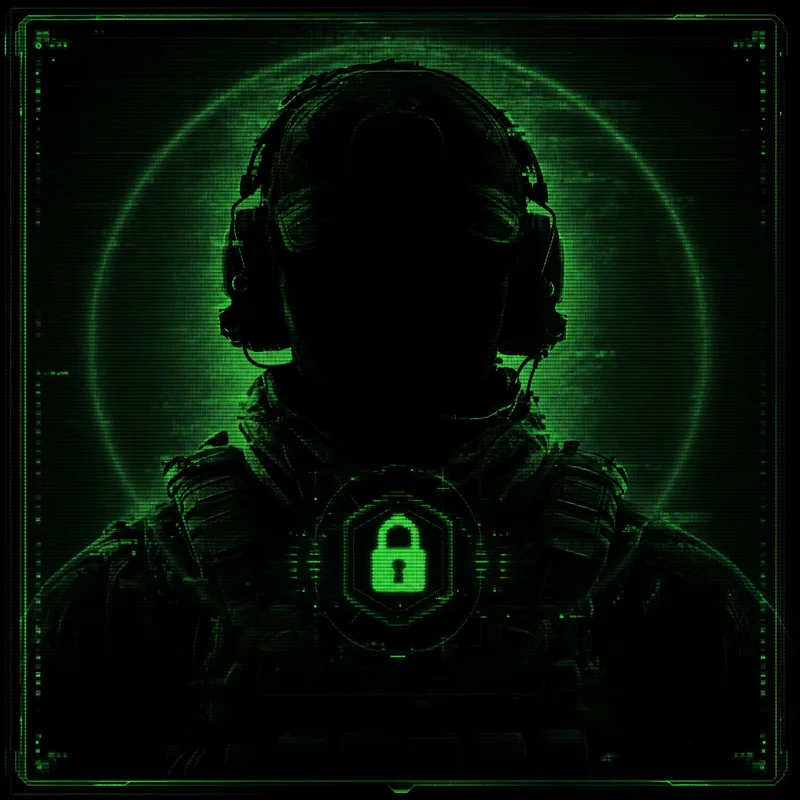
In any verified recording that catches BLACKFLAME, the burn-in sits over the face, sized to cover it and tracking it frame by frame. The rest of the frame is left clean. No two witnesses agree on what was underneath.
Relays and machines
Every relay BLACKFLAME has lit, and every machine BLACKFLAME has opened, keeps the mark: scorched into a housing, ghosted onto a status screen, or tucked into a boot log as a single line.
Static
Sometimes it surfaces for a few frames in the noise of an ordinary channel. When it shows up in your static, you know BLACKFLAME has been on your line.
Still lit.
Still listening.
What the network says
Everyone has a theory.
Nobody on the network has seen the face. Everybody has an opinion.
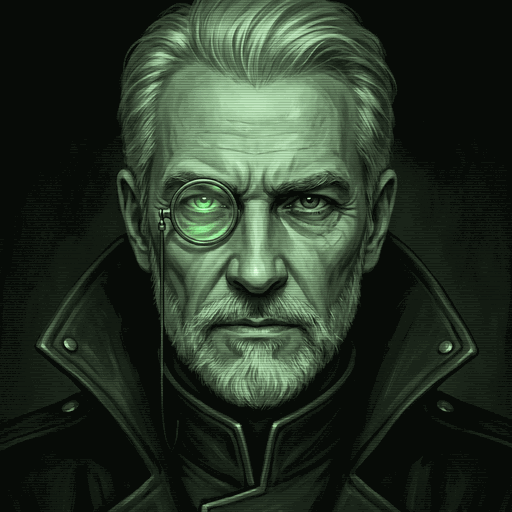 Colonel Rourke
built WOLFPACK's codec doctrine on BLACKFLAME's relays and has never seen the face. BLACKFLAME's relays are the one piece of infrastructure he trusts without being able to repair it himself: "Forty years in signals, and the only relay I never had to fix belongs to a man I've never met. Or a woman. Or a weather system."
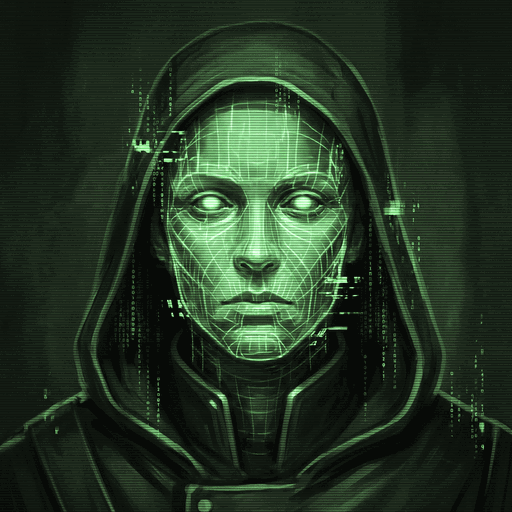 Sigil
Sigilbows when the burn-in crosses a screen in mission control and calls BLACKFLAME the hearth-keeper. BLACKFLAME has never scheduled maintenance at 0300, and Sigil has noticed.
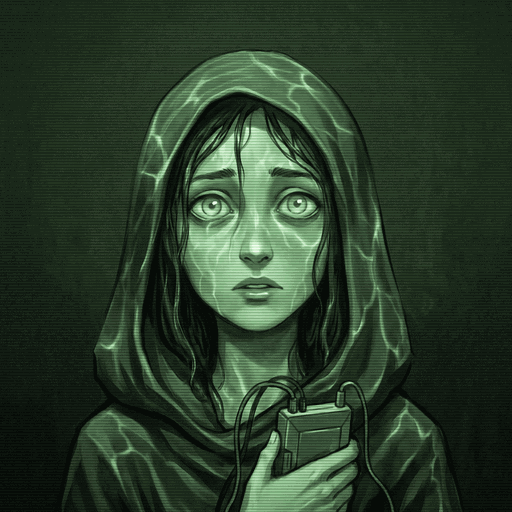 Nixie
Nixiethe GX core runs on BLACKFLAME's racks. If Sigil's landlady is Nixie, BLACKFLAME is, in her flat word, "the building." She and BLACKFLAME communicate entirely in change logs.
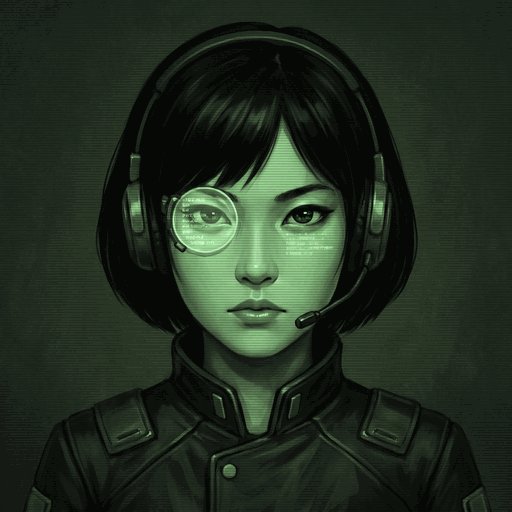 Lin Yao
keeps a file of every burn-in sighting. Unlike Deepwire, BLACKFLAME's traffic traces cleanly, but every trace ends at the relay it came through, as though the relay had sent it on its own. She has filed that under "solved, unsatisfying." Her archive's off-site copies ride the unlisted relays, and her grandmother would have approved.
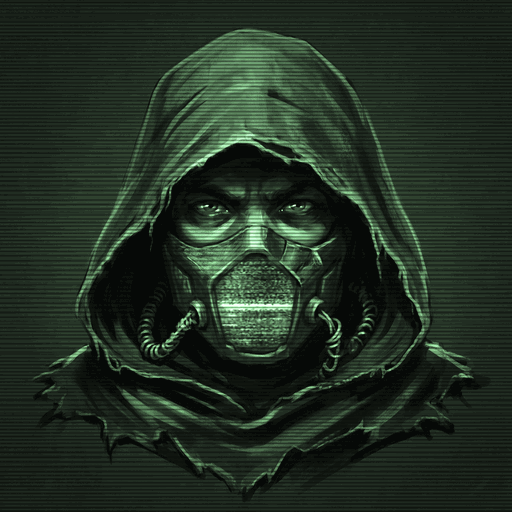 Deepwire
and BLACKFLAME get confused in the ready room. Lin Yao insists they are opposite patterns: Deepwire whispers inside other people's traffic and never signs, while BLACKFLAME signs everything and says almost nothing. Neither has commented.
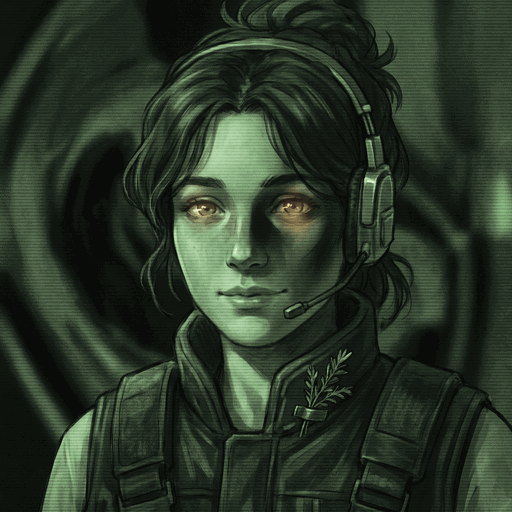 Sage
Sagespent years answering a drowned port's distress channel. The relay that carried it had a flame on its housing. She has never said whether she knew.
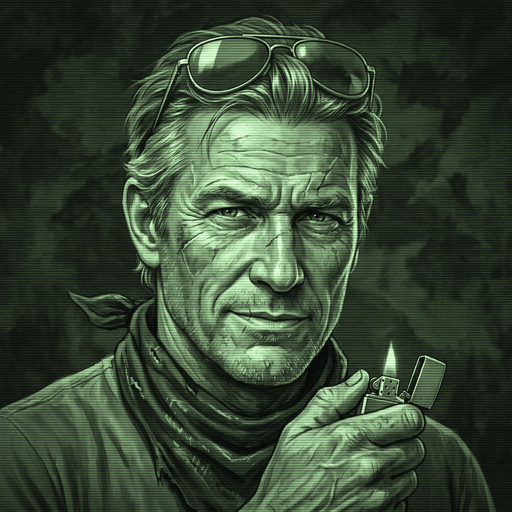 Master Flint
strikes the lighter whenever BLACKFLAME comes up. A flame that gives no light is either a contradiction or a promise, and he hasn't decided which. "Sparks keep a man honest. That one keeps the whole net honest, and I've never seen it spark."
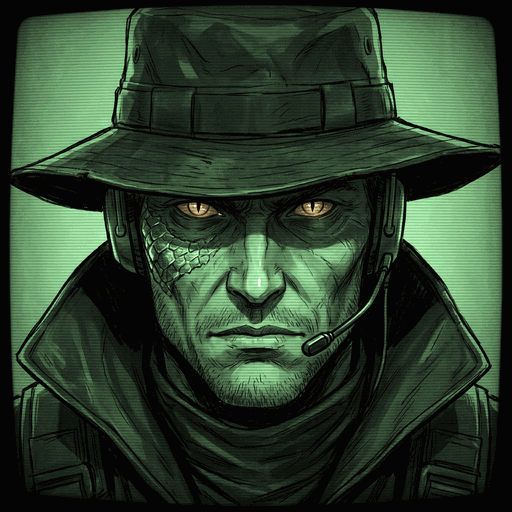 Steel Cobra and the Collection Agency
feel a kinship of off-ledger trades: the Agency takes people off asset ledgers, and BLACKFLAME takes channels off them. Steel says he'd invoice BLACKFLAME for the professional courtesy if he could find a billing address.
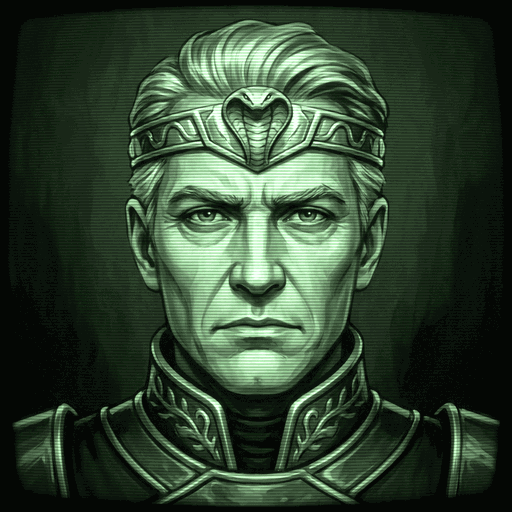 Governor Voss
the Meridian Reach lists the unlisted relays as unlicensed utilities and tears them down. Each one is relit within the week, wearing the flame. Voss keeps a tariff invoice addressed to BLACKFLAME, reissued monthly with interest, and has never received a reply. He takes this personally.
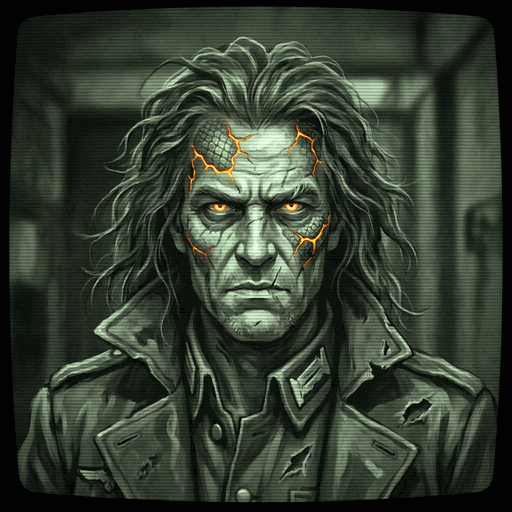 Koschei
the unlisted relays are the only infrastructure in the Drift he has never tried to burn, because they are the only thing in it nobody owns.
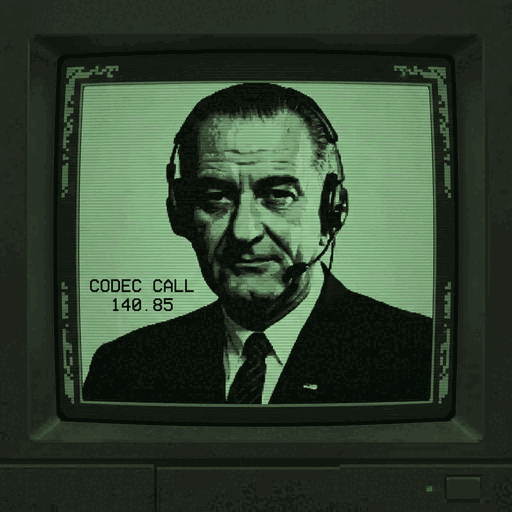 President Johnson
once said in public that he would like to thank BLACKFLAME for keeping the bands open while the Accords were still paper. In private, he says he would settle for knowing whom to thank.
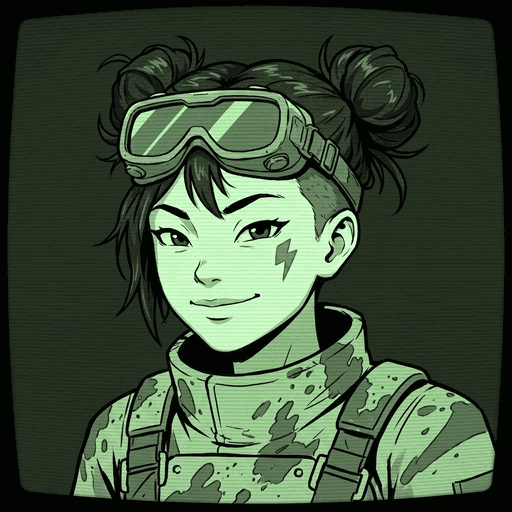 Dynamo
has painted the flame onto nothing. She paints the ring onto her drones and leaves the middle bare: "You don't paint someone else's fire."
 VECTOR
has never given BLACKFLAME an arrival number. Asked why, he answers brightly that protocol does not number the host.
Whether BLACKFLAME is one person, a crew, or a haunting in the relays is never settled.