Skip to content
Bromigos™

World bible // the Drift

The Drift.

A belt of settled systems strung together like harbour towns on a dark coast, still paying for a war that ended in a bankruptcy. Three ways in: read its story, browse everything on the record, or explore it the way the bromigOS desktop charts it.

The Drift map

Every light is an entry.

Hover a light to see its lanes; click it to read its card, its picture and its connections. Browse all 109 entries

Chapter 1 of 5

The Drift

Humanity left the Cradle — the world the oldest files still call Earth — generations ago. Not in a golden age of exploration, but in a long, unglamorous haul: slow ships, sealed habitats, contracts signed in desperation. What it built is called the Drift: a belt of settled systems strung together like harbor towns on a dark coast. Orbital stations, half-terraformed colonies, sprawl-yards where ships go to be broken and kids go to grow up feral. Nothing in the Drift is new. Everything is repaired, repainted, resold. Distances are real, travel is slow, and every sector develops its own accent, its own money, and its own idea of law.

The Drift's common currency is the mark — post-Ledger scrip that outlived every institution that issued it, kept alive by the simple fact that everyone agreed to keep counting. In speech, nobody says marks; they say coin. ("What's the coin?" opens more negotiations in the Drift than hello does.)

There is no empire. There are sectors — some run by elected councils, some by hereditary charters, some by whoever holds the tariff schedule. (The Meridian Reach, Governor Voss's nine stations and two colonies, is the textbook case of a sector that is legally a democracy and practically a mood.) Between the sectors: open space, open bands, and everyone who works for hire.

Next: The Ledger Wars

Chapter 2 of 5

The Ledger Wars

The Drift's great war had no fronts and no armistice day. When the founding states hollowed out, their successors — chartered corporations, defense cartels, sovereign funds with navies — fought each other for decades through deniable proxies, and the era is remembered by what it was really about: the Ledger Wars, wars conducted like debt collection, where battles were line items and soldiers were assets.

The cartels did not recruit soldiers; they manufactured them. Clone lines braided with things dredged from places best left sealed (the Meridian Combine's Project OUROBORAN). Children raised in sensory tanks to hear a crowd's fear like weather. Exo-frames that learned their pilots so well the pilot became optional. Nanite lattices that healed a body by quietly redesigning it. An entire generation of made people — built for a war that, when the money moved on, simply stopped, leaving its weapons alive, self-aware, and unemployed.

The Ledger Wars ended not with a treaty but with a bankruptcy. Whole cartels folded overnight; units were "erased" from records rather than paid out (ask what's left of Null Cell); atrocities like the Umbra Reef sterilization were written down, literally, as losses. The Drift inherited the wreckage: a bounty-and-retrieval economy where the skills of war are the only currency a lot of people were ever issued.

Next: The Switch-Off

Chapter 3 of 5

The Switch-Off

The Ledger Wars ended in bankruptcy, and in a bankruptcy everything is an asset, including the air. When the cartels folded, their receivers sold the communications networks line item by line item. Relays went to auction. Colonies whose relay found no buyer weren't attacked. They were switched off, the way you cancel a subscription, and some of the Drift's open distress channels went dark with them. The survivors call those years the Switch-Off.

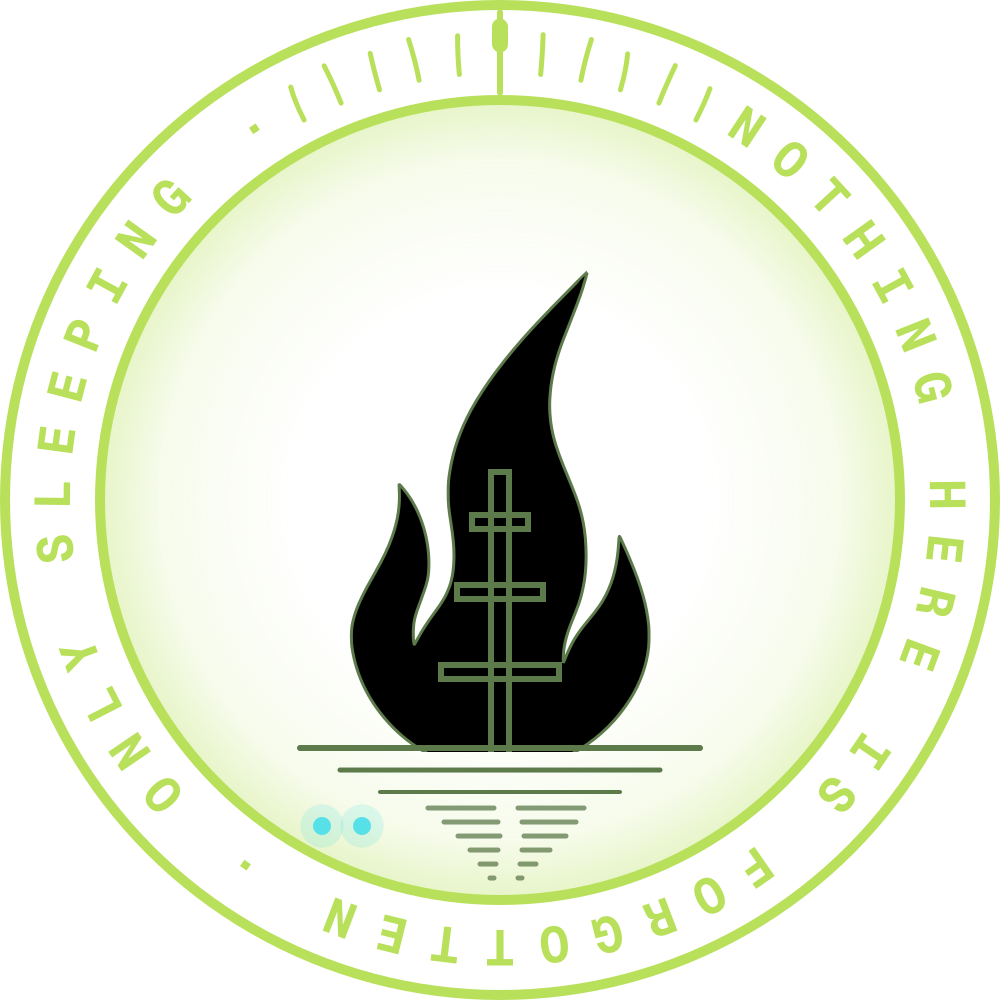
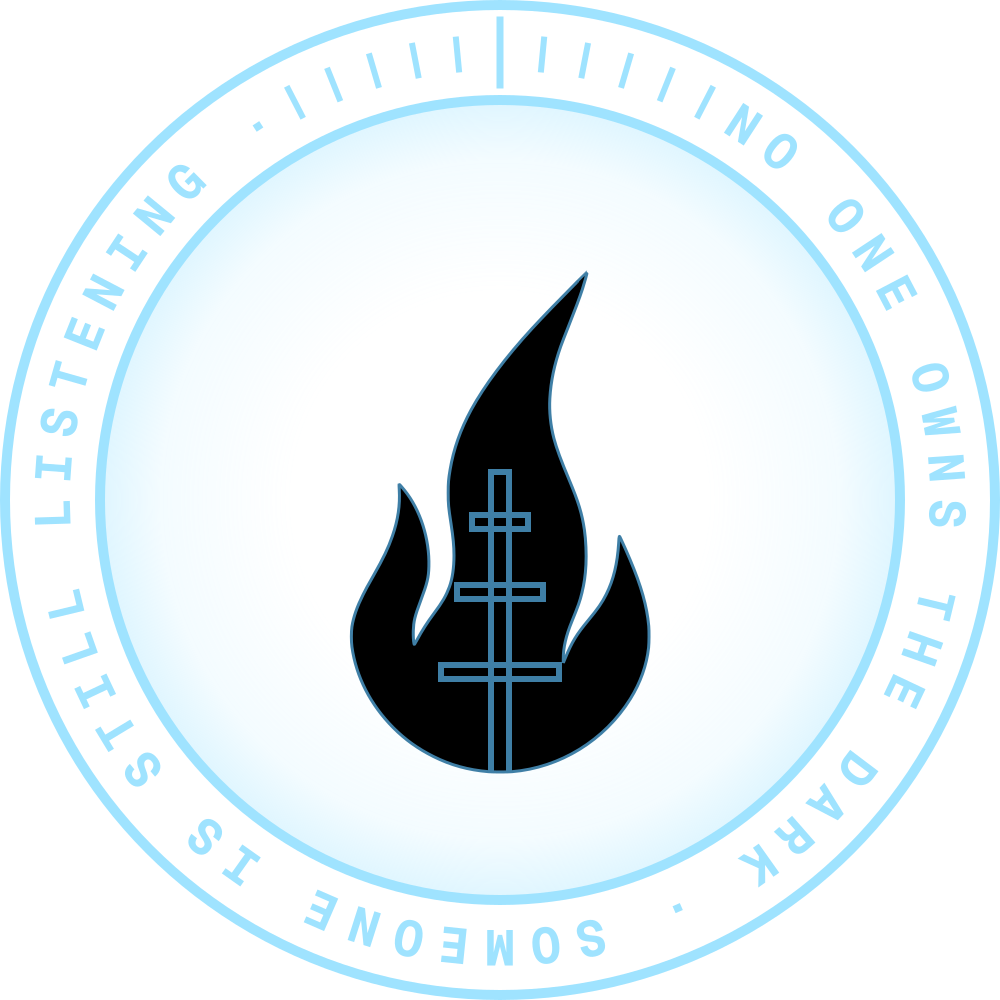
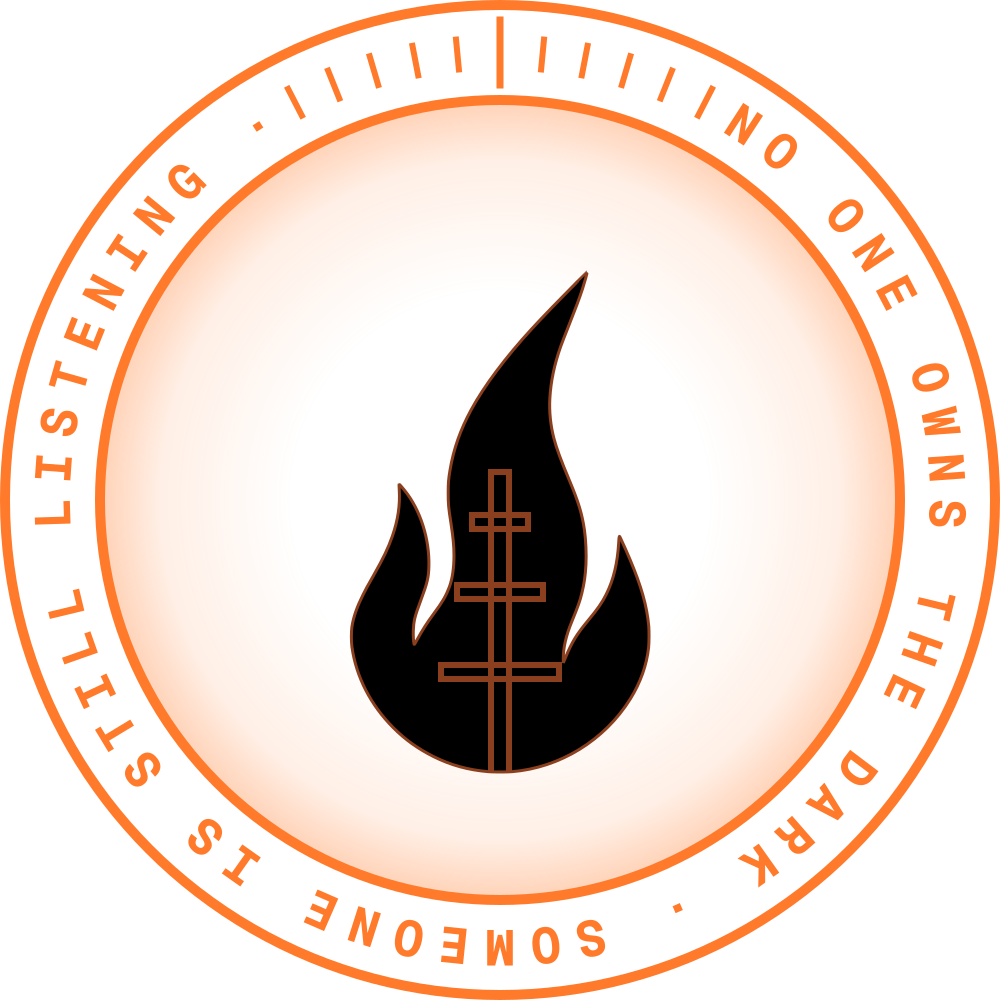
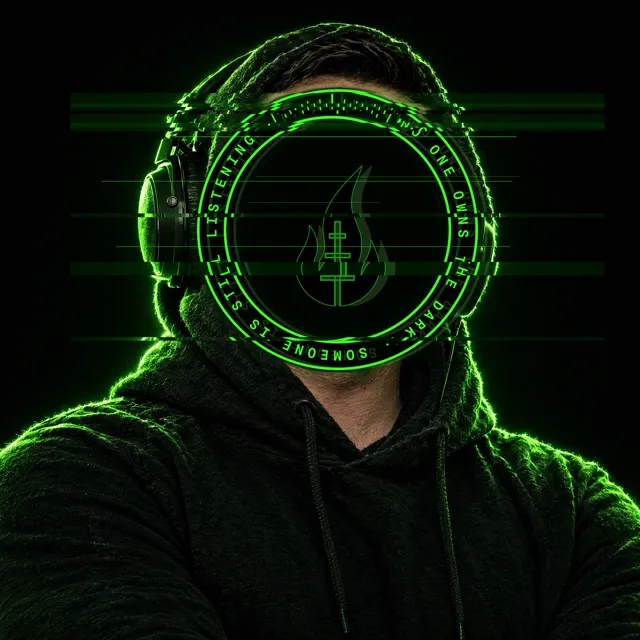
In the worst of those years, relays nobody had bought began coming back on: hand-rebuilt repeaters on dead masts, listed on no sector's tariff schedule and carrying anyone's traffic for nothing. Each one carried a black flame in a green ring, scorched into the housing or ghosted onto the status screen. Operators called them the unlisted relays, and most still do. A black flame is a fire that gives no light: these relays burned, but they were dark on every ledger. The Bromigos network grew up on them. Every codec call on the 140 band still crosses at least one.

The cause. BLACKFLAME's war isn't Koschei's revolution, Voss's throne or Steel's coin. It is smaller and more stubborn than any of them: nobody in the Drift should go silent because their channel stopped being profitable. The bands are not property, and the dark between stations belongs to no one. Someone should always be listening in it. The Open Band Accords are the paper version of that idea, and the unlisted relays are the working one.

BLACKFLAME has never claimed to have saved anyone. The late-watch version of the story says there was one channel, before the first relay, that went quiet for want of coin. Everything since has been that same relay, lit over and over, too late for the one it was meant for.

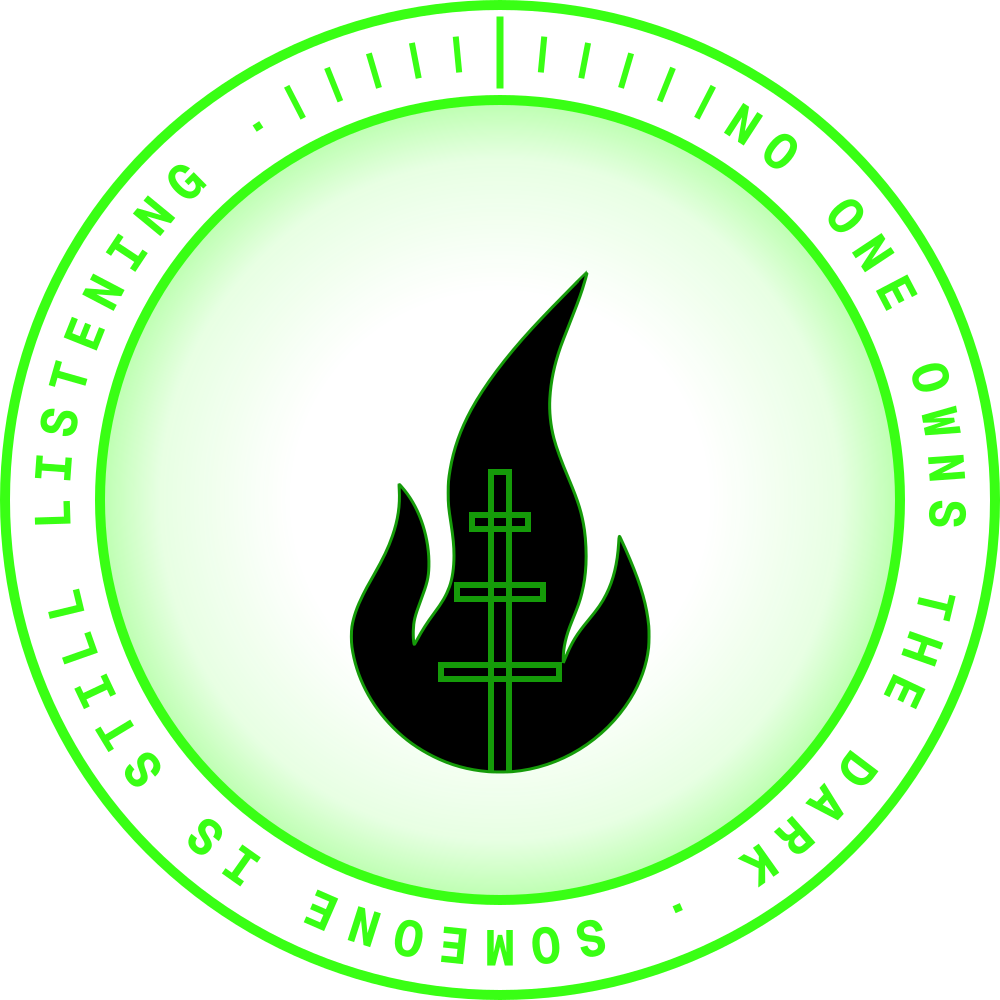
Next: Worlds of the Drift

The burn-in. Scorched into the housing of every relay that came back on.

Chapter 4 of 5

Worlds of the Drift

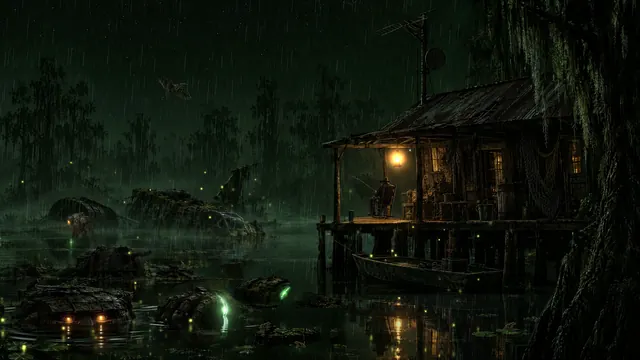
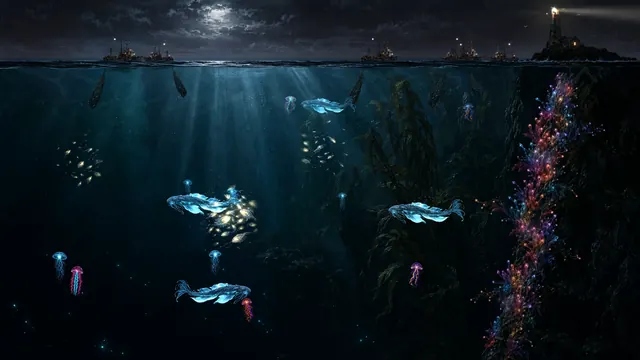
The unlisted relays are scattered across the Drift, kept lit on worlds no one else will pay to serve. The ones the old hands know by name sit one to a world, each at a post: a shack, a lighthouse, a hut, a wreck, a crane, a bar, a gondola, a cave. Every post carries the burn-in somewhere, the black flame in its green ring, on a mast, a buoy or a carved stone. Every post has a keeper.

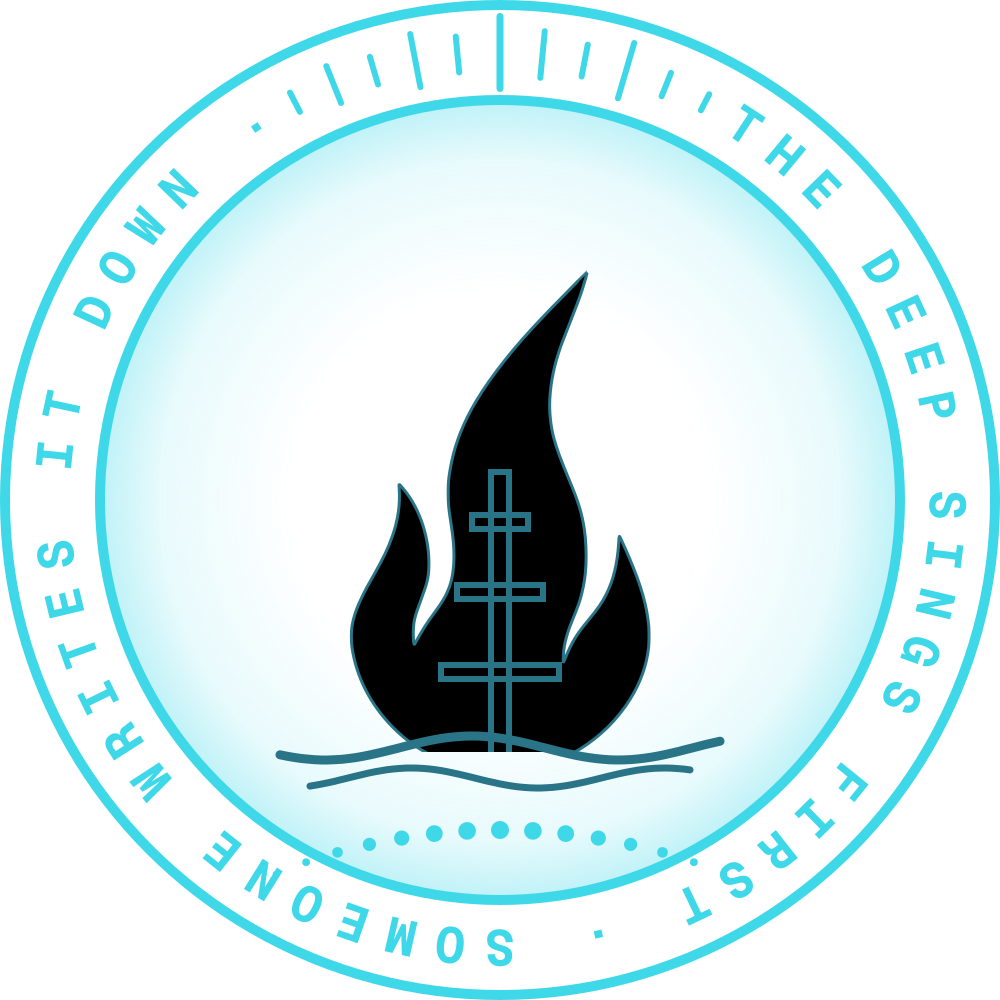
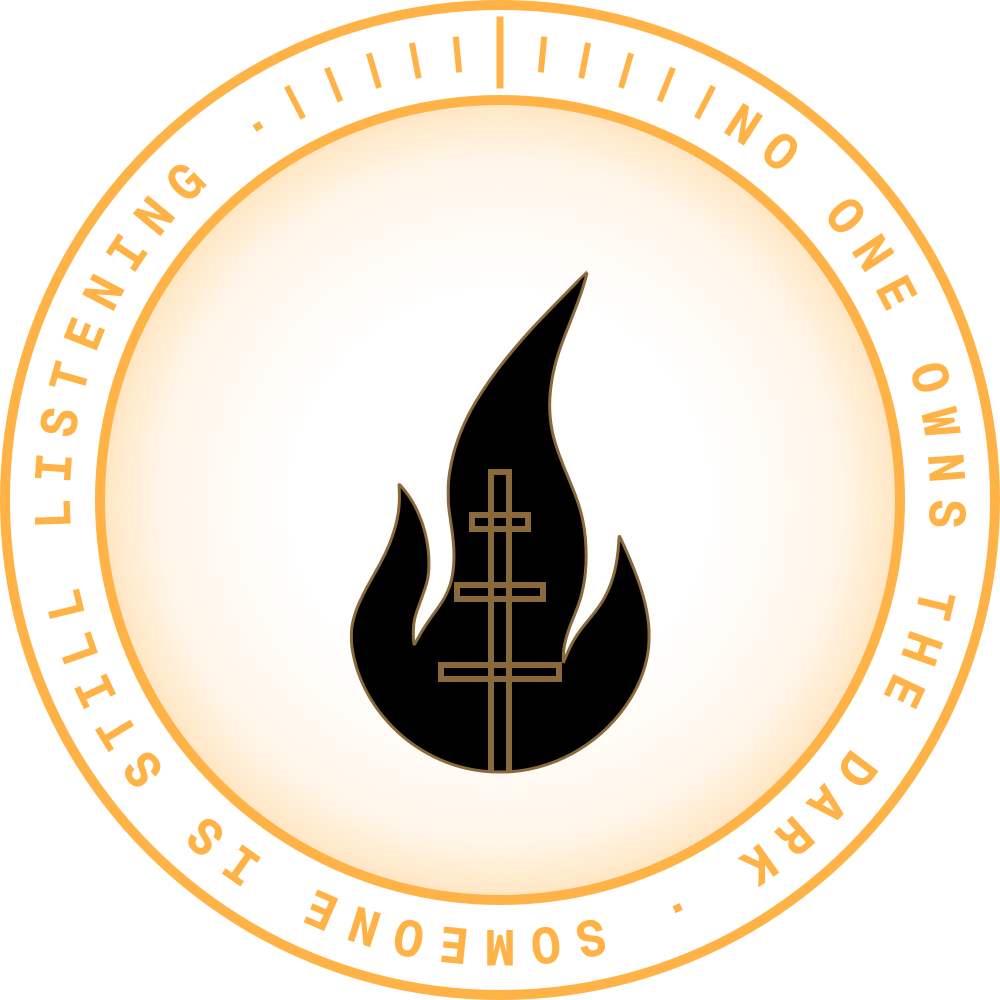
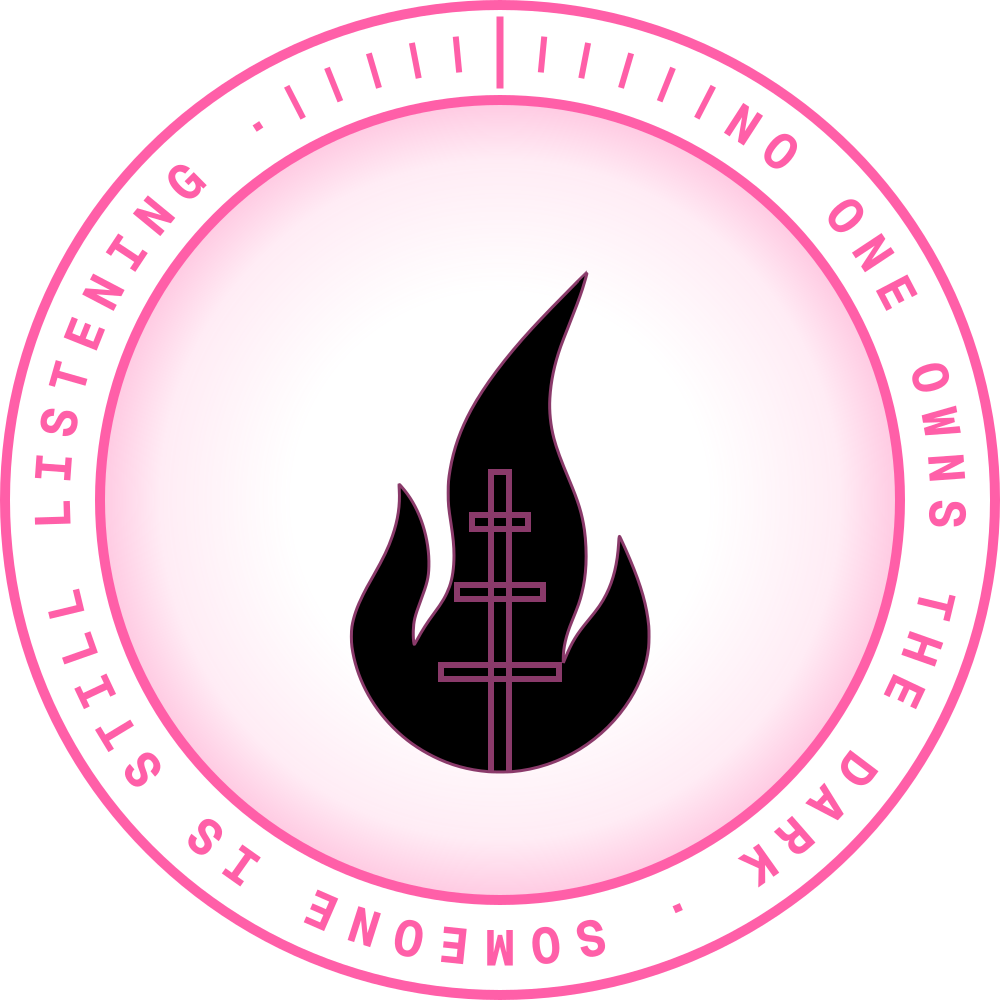
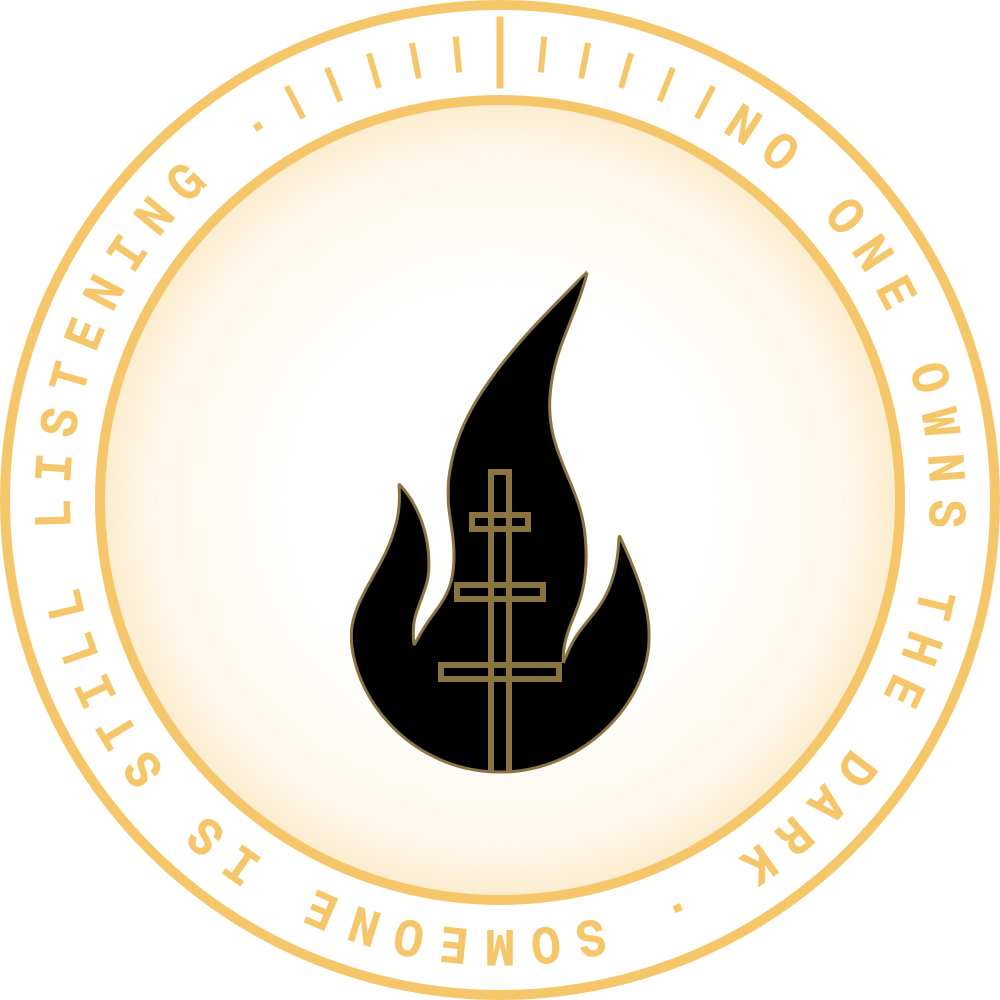
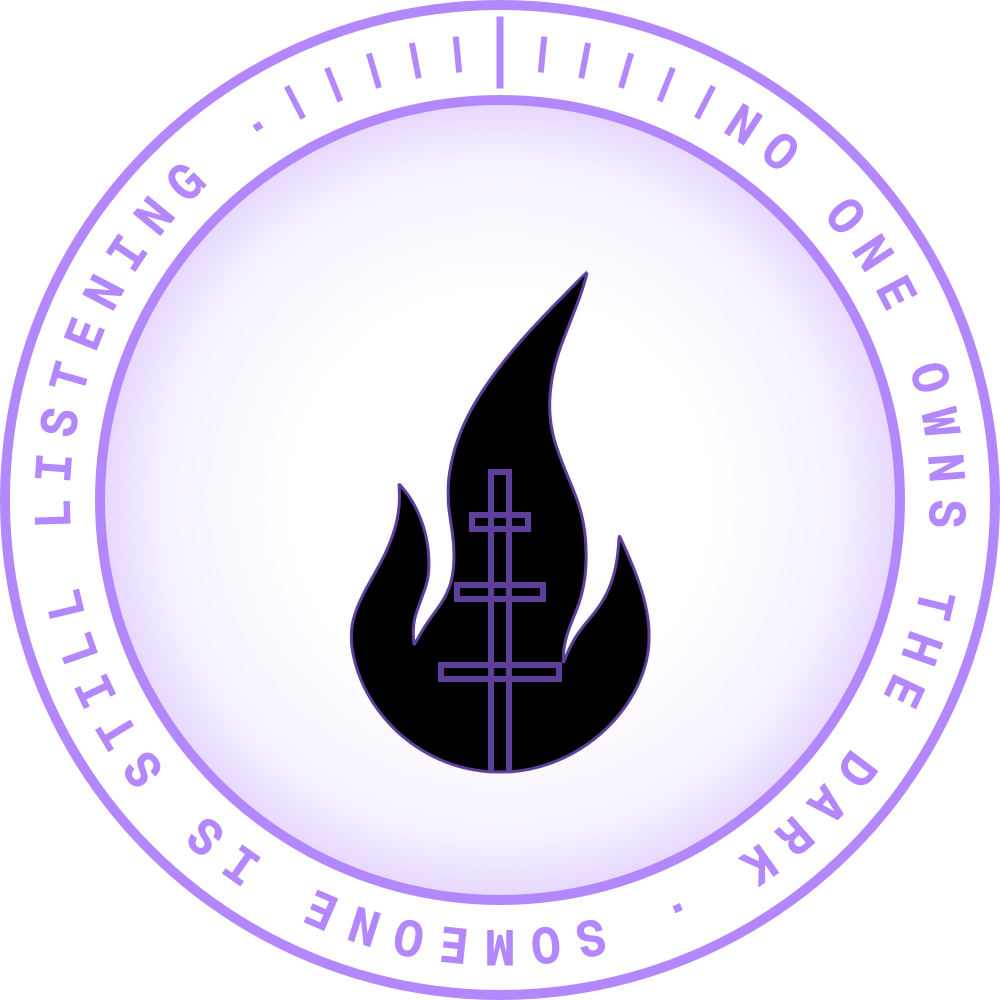
The posts' marks. Each post also signs with a mark of its own: the burn-in as that post carries it. The flame and its mast never change, and neither does the shape of the ring, with its motto band and its tuning gap. What a post changes is the colour, the motto, what fills the tuning gap and what stands around the flame. The burn-in's rule holds for every mark: the ring carries a motto and never a callsign, a keeper's name or a frequency. A post's mark is how the others know its traffic on the old bands, the way they know its keeper's voice.

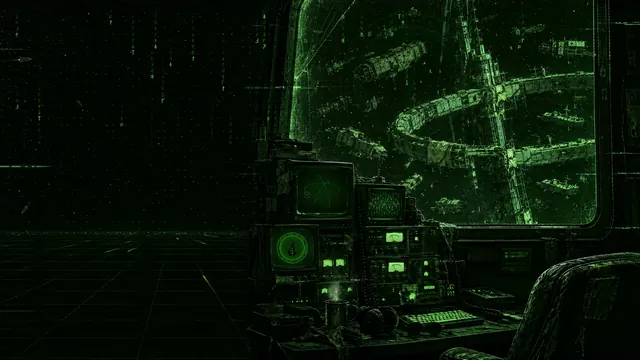
The Wick is one of these places and the first of them. It is BLACKFLAME's den and the hub the other posts call when everything else has failed.

Next: The Lamplighters

WickMireTidewellRimeSunderCinderLowtownHighwindDeepvein

Chapter 5 of 5

The Lamplighters

The keepers call themselves Lamplighters. The name is half a joke and half a creed: a black flame gives no light, but someone keeps it burning. Each Lamplighter tends one post. Most of them have never met. They know each other as voices on the old bands, by accent and by the hum of each other's gear, and few of them could tell you what the others look like.

  • The roll-call. Every night each post checks in on 142.59 and signs off the way an intercept does: STILL LIT. A post that misses roll-call gets a call from the nearest keeper. A post that misses the call gets a visit. Keepers who have made that visit never describe it as a rescue. They say they went to see about a relay.
  • Parts and favours. No sector sells parts for relays that don't exist on paper, so the posts supply each other. Sunder salvages the parts, Cinder casts them, Highwind flies them from post to post, and Lowtown pays for what nobody can make with information and coin. In practice Tamsin Rook's salvage goes to Brask's crane, Pip Arro flies both, and Della Ash's coin pays for the castings and the fuel. Hollis Crane supplies the drawings nobody else remembers. Maren Holt's warnings reach Juno Varga first, and Ora Slate keeps a copy of every post's logs in the deep archive. Nobody keeps a ledger, though nearly everybody keeps a tally.
  • The voice at the Wick. No Lamplighter has seen BLACKFLAME. To them BLACKFLAME is the voice at the Wick that answers when everything else fails, and that is enough to keep a post for. Some keepers believe they are BLACKFLAME's crew: the flame worn like a uniform, 142.59 a party line. The ready rooms' "crew" rumour gets much of its evidence from them. Other keepers call that vanity. The Wick has never said either way.
  • The one voice they share. VECTOR, the SpacePort's caretaker, keeps a line open to every post in the Drift, as he does to the Wick, and answers each one from his post at the arrivals pad. He considers this entirely within protocol. His is the one voice every Lamplighter has heard. He calls each keeper by name and gives none of them an arrival number.

Now browse every entry

VECTOR. The one voice the Lamplighters all share.

Browse

109 entries. All on the record.

Every public entry in the catalog, by kind. Some of the Drift stays off the record on purpose.

109 entries

Timeline

From the Cradle to the present watch.

Generations of history in sixteen marks. Each names the entries it touches.

  1. Generations ago

    1. Humanity leaves the Cradle in a long migration and establishes the settlements that become the Drift.

      The Cradle (Earth)The Drift
  2. Ledger Wars

    1. Successor powers wage decades of proxy war and manufacture made people as military assets.

      The Ledger WarsMade peopleMeridian Combine
    2. The Meridian Combine recovers the Ophian Strand and creates the three Project OUROBORAN decants.

      Project OUROBORANOphian StrandSTEEL COBRAKOSCHEIGovernor Voss
  3. Late Ledger Wars

    1. Koschei opens Umbra Reef's labor pens; the Combine answers with sterilization, and an APEX prototype walks in the atrocity.

      Umbra Reef uprisingUmbra Reef sterilizationAPEX war-walkerFANDROIDKOSCHEI
    2. Months after the sterilization, the uprising's dead commander walks out of the water below Umbra Reef, rebuilt by the Strand. His soldiers rename him Koschei, from an old Cradle story about a man whose death is kept outside his body.

      KOSCHEIOphian StrandUmbra Reef sterilization
  4. War's end

    1. The Ledger Wars end through institutional bankruptcy; units such as Null Cell are erased and unpaid weapons scatter into the Drift.

      The Ledger WarsNull CellThe Drift
    2. The money moves on. Mire's jungle front is left to sink into the swamp with its exo-frames still standing, and in Sunder's orbit the dreadnoughts lose station-keeping and begin to fall.

      Mire front abandonedThe Sunder fallThe SleepersHollis Crane
    3. The Switch-Off: receivers auction the cartels' relays line by line and unbought colonies go quiet. Unlisted relays begin coming back on, each marked with the burn-in, and the legend of BLACKFLAME begins.

      The Switch-OffUnlisted relaysBLACKFLAMEThe burn-in
  5. The Switch-Off

    1. Rime is switched off. Juno Varga refuses to leave, and Station Nine transmits into ten years of blizzards with no answer.

      RimeRime's long watchStation NineJuno VargaThe Switch-Off
  6. Post-war

    1. Bromigos and WOLFPACK form around open codec channels, old-band listening, and one-job-at-a-time operator work.

      BromigosWOLFPACKRelay CorpsUnlisted relays
    2. The Open Band Accords are negotiated to keep communications free of monopoly control.

      Open Band AccordsPresident Johnson
  7. Recent

    1. The Carapace signing summit becomes a hostage and retrieval crisis, reshaping Steel, Storm Ronin, Nixie, Sable, and the network.

      Carapace incidentThe CarapaceSTEEL COBRAStorm RoninNixie
  8. Present

    1. Steel's Collection Agency removes people from asset ledgers while Koschei — legally dead and content to stay that way — wages his patient war on the system and Voss tries to rule it.

      The Collection AgencySTEEL COBRAKOSCHEIGovernor VossSons of Sovereignty
    2. From the Wick, BLACKFLAME keeps the unlisted relays lit while the Meridian Reach tears relays down and they come back within the week.

      BLACKFLAMEThe WickMeridian Reach
    3. The Lamplighters keep the posts on the worlds of the Drift, checking in on 142.59 every night with STILL LIT and trading parts and favours, while VECTOR keeps a line open to every post.

      The LamplightersLamplighter roll-callWorlds of the DriftVECTOR
    4. Present / emerging

      Bromigos recognizes that some old-band fragments are deliberate blips and begins acting on the pressure points they identify.

      BlipsBromigosWOLFPACKBlip events

Generated from the world bible · platform@fcec227